
 ไทย
ไทย
Importance and Commitment
The Company is committed to respecting the human rights and dignity of all stakeholders by upholding the principles of equality, diversity, and non-discrimination in all forms. We strive to foster a fair, transparent, and sustainable working and business environment.
Human Rights Commitment
- Promote organization-wide communication and awareness of human rights among employees at all levels.
- Maintain zero material complaints relating to human rights violations arising from the Company’s business operations.
- Foster a workplace that is free from discrimination, harassment, and all forms of human rights abuse.
- Encourage business partners and suppliers to comply with internationally recognized human rights principles and applicable labor standards.
- Strengthen accessible, transparent, and fair grievance and remediation mechanisms for all stakeholders.
- Ensure that employees at all levels receive communication and awareness training on human rights.
- Maintain zero material complaints related to human rights violations arising from the Company’s business operations.
- Foster a working environment free from discrimination, harassment, and all forms of human rights violations.
- Encourage suppliers to comply with human rights principles and applicable labor standards.
- Develop accessible, transparent, and fair grievance and remediation mechanisms.

2025 Performance Highlights
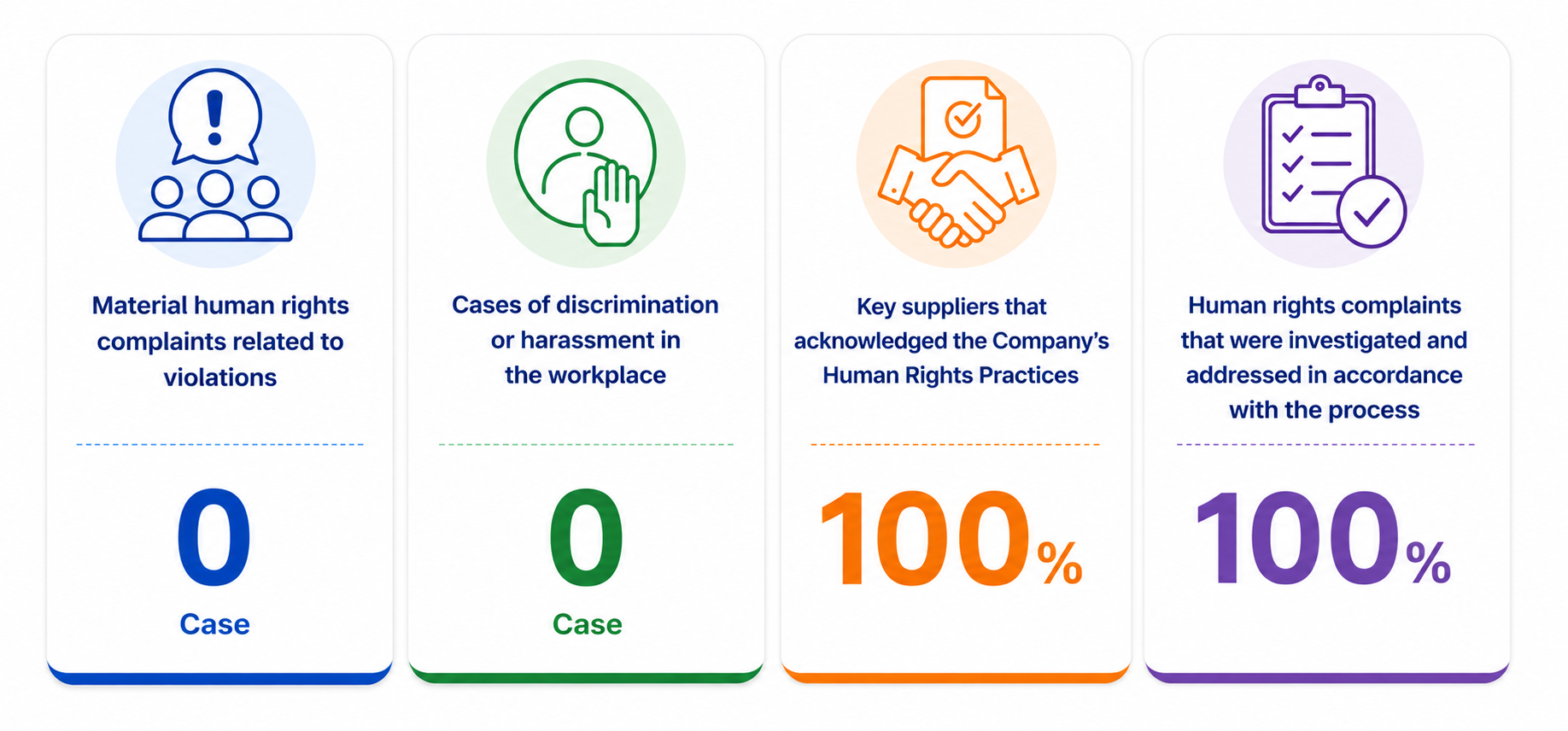
| Material complaints related to human rights violations | 0 cases |
| Cases of discrimination or workplace harassment | 0 cases |
| Key suppliers acknowledged the Company’s Human Rights Policy | 100% |
| Human rights complaints investigated and addressed in accordance with established procedures | 100% |
Supporting the Sustainable Development Goals (SDGs)
Gender Equality
Reduced Inequalities
Partnerships for the Goals
Decent Work and Economic Growth
Peace, Justice and Strong Institutions
The Company implements its human rights management approach in accordance with the United Nations Guiding Principles on Business and Human Rights (UNGPs). Human rights principles are integrated into business operations, risk management, and corporate governance processes to prevent and mitigate potential adverse impacts on stakeholders throughout the value chain.
The Company’s human rights management approach is implemented through five key steps:
 |
Establish human rights policies and guidelines to serve as a framework for employees and business partners in conducting business in accordance with human rights principles. |
 |
Assess human rights risks and impacts across employees, customers, suppliers, communities, and other relevant stakeholders. |
 |
Integrate risk mitigation and preventive measures into business operations and supplier management processes. |
 |
Monitor and report performance through key performance indicators, assessments, and transparent disclosure of information. |
 |
Establish grievance and remediation mechanisms to ensure that affected stakeholders have access to fair and effective resolution processes. |
Human Rights Policy

Business Partner Ethics
Human Rights Governance Structure
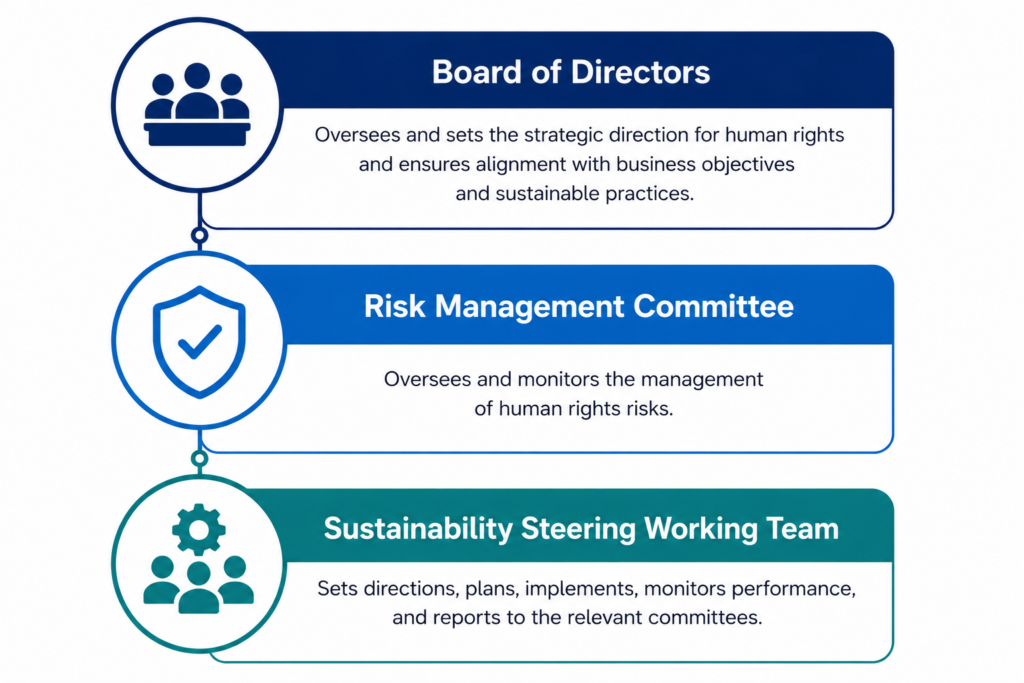
The Company has established a clear human rights governance structure by defining the roles and responsibilities of the Board of Directors, the Risk Management Committee, and the Sustainability Working Committee. These governance bodies are responsible for overseeing, monitoring, and driving the effective implementation of the Company’s human rights commitments and due diligence processes across all business operations, ensuring alignment with internationally recognized human rights principles and sustainable business practices.
Risk Assessment and Management Results
The Company conducted a human rights risk assessment covering 100% of its business operations. The assessment was divided into two key areas to comprehensively identify and manage potential human rights risks that may impact stakeholders, as follows:
| Core Business Activities | Supporting Business Activities |
|---|---|
|
|
| Assessment Areas | Risk Level | Affected Stakeholder(s) |
|---|---|---|
| Personal Data Protection | High | Customers |
| Employee Occupational Health and Safety | High | Employees |
| Non-Discrimination Against Customers | Medium | Customers |
| Customer Health and Safety | Medium | Customers |
| Employee Working Conditions | Medium | Employees |
| Freedom of Association and Collective Bargaining | Medium | Employees |
| Supplier Code of Conduct | Medium | Suppliers |
| Supplier Data Protection | Medium | Suppliers |
| Standard of Living and Quality of Life | Low | Communities |
| Non-Discrimination Against Employees | Low | Employees |
| Non-Use of Child Labor and Forced Labor | Low | Employees, Suppliers |
| Community Health and Safety | Low | Communities |
| Waste and Hazardous Materials Management | Low | Communities, Environment |
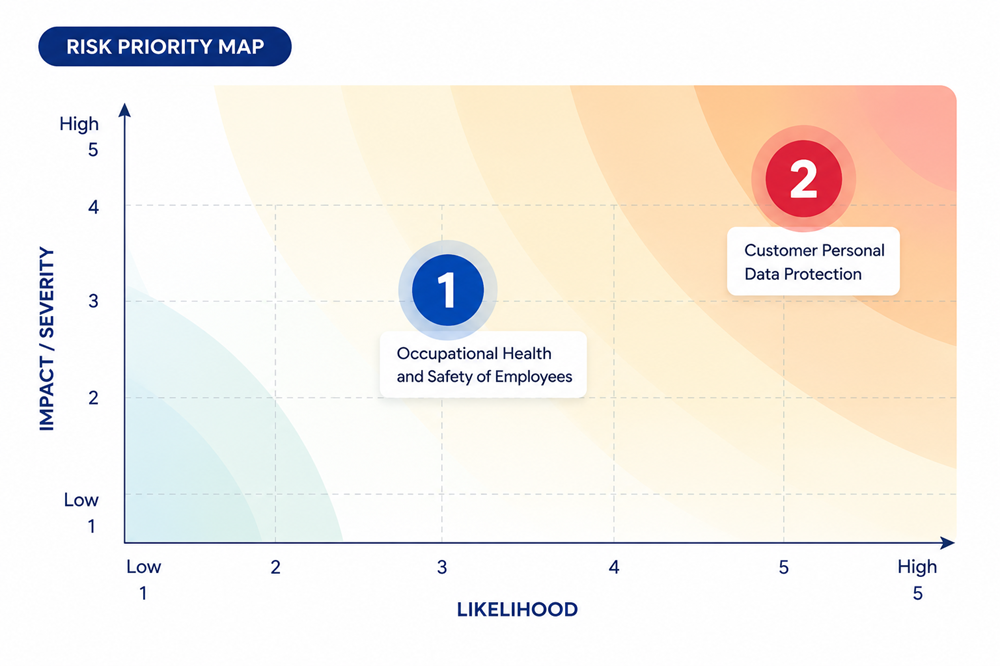
| Risk Issue | Related Issues | Impact Mitigation and Remediation Measures |
|---|---|---|
| Labor Rights | ||
| Employee Occupational Health and Safety | Workplace accidents and occupational illnesses, such as injuries resulting from lifting and handling heavy loads. |
|
| Customer Rights | ||
| Customer Personal Data Protection | The collection, use, disclosure, and storage of customers’ personal data, including risks related to unauthorized access, data breaches, and cyberattacks. |
|
Grievance and Remediation Mechanisms
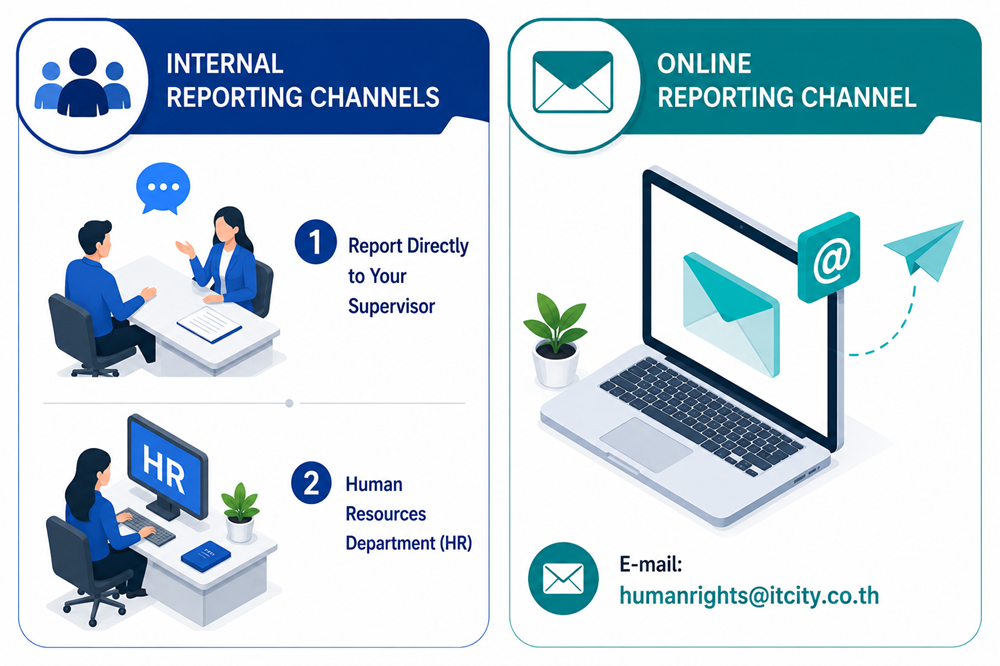
The Company provides grievance and feedback channels for all stakeholder groups to report concerns and issues that may be related to human rights violations. All complaints are handled in accordance with the principles of fairness, transparency, and confidentiality of the complainant.
All reported cases are subject to appropriate investigation, with corrective actions and preventive measures implemented to address the issues and prevent recurrence.