

 ไทย
ไทย
Materiality Assessment
The Company conducts a materiality assessment to identify sustainability issues that are significant to its business and stakeholders. The assessment takes into consideration the impacts on the business and its stakeholders, while aligning with the United Nations Sustainable Development Goals (UN SDGs) and internationally recognized sustainability reporting standards, including the Global Reporting Initiative (GRI Standards). The results of the assessment are used to guide the Company’s sustainability strategy, priorities, and operational approach.
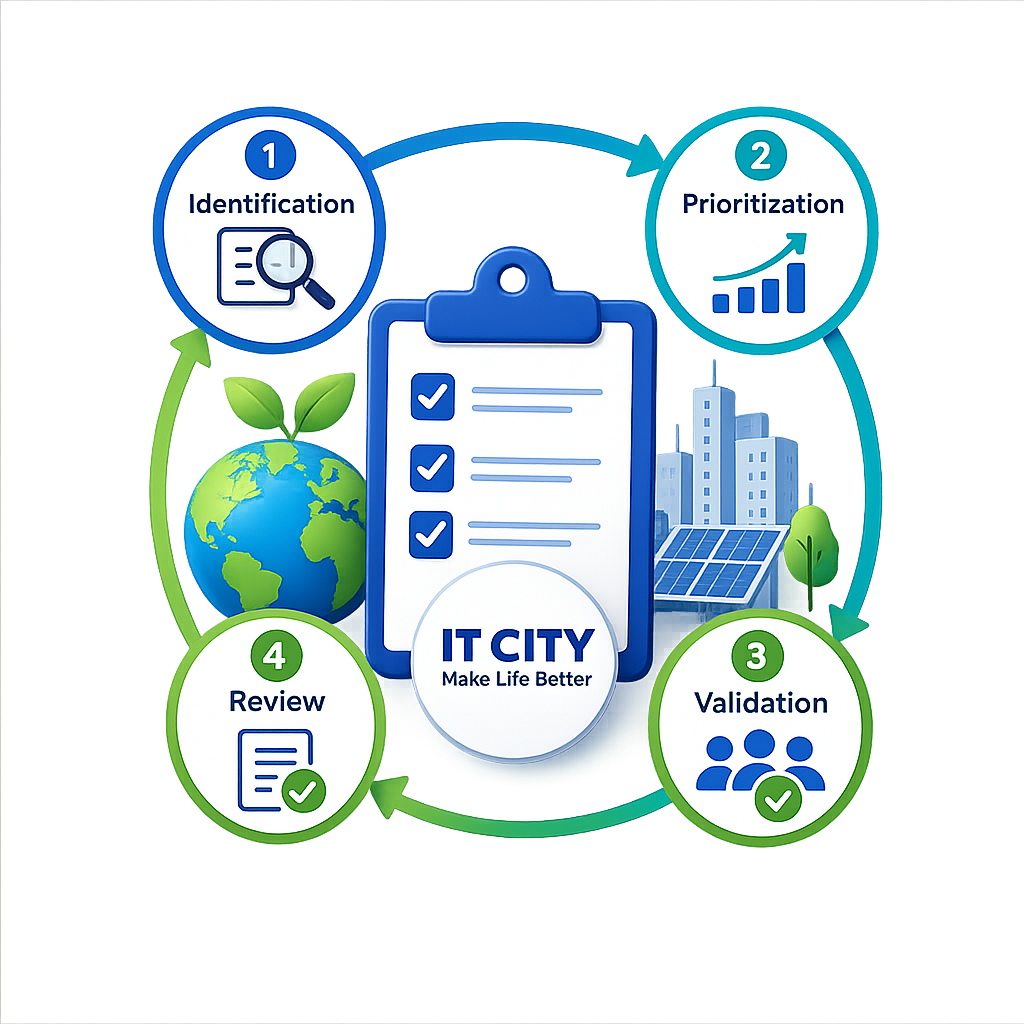
Step 1: Identification
The Company identifies material sustainability topics by analyzing external factors and the sustainability context, including sustainability trends and developments within the IT retail industry, market competition, and broader business environment. This assessment is complemented by an analysis of internal factors, such as business performance, organizational strengths and weaknesses, and key risk factors.
Based on this analysis, the Company identifies issues that may impact its value creation in the short, medium, and long term, covering economic, social, and environmental dimensions.
Step 2: Prioritization
The Company prioritizes identified sustainability topics by assessing their significance from the perspective of external stakeholders, while also evaluating their importance to the Company. This includes considering whether these topics could affect the Company’s ability to achieve its business objectives and strategic goals.
The prioritization process is conducted using the Company’s risk assessment criteria and Risk Matrix methodology to determine the relative importance of each sustainability topic.
Step 3: Validation
The Company consolidates the identified material sustainability topics and discusses them with the Sustainability Steering Committee. The prioritized topics are then presented to the Corporate Governance and Sustainable Development Committee for review and validation to ensure the completeness and relevance of the disclosed information.
The validated material topics are subsequently used for sustainability disclosures in the Company’s Form 56-1 One Report and on the Company’s website.
Step 4: Review
The Company recognizes the importance of material sustainability topics that affect its long-term sustainability and business success. Therefore, it prepares and publicly discloses sustainability information through various communication channels to ensure that stakeholders are informed of the Company’s sustainability performance, including through the Company’s website.
In addition, the Company provides stakeholders with opportunities to share their feedback and suggestions through questionnaires related to the sustainability report. The feedback received is used to enhance the Company’s sustainability performance, as well as to improve the content and disclosure practices of future sustainability reports.
Material Sustainability Topics
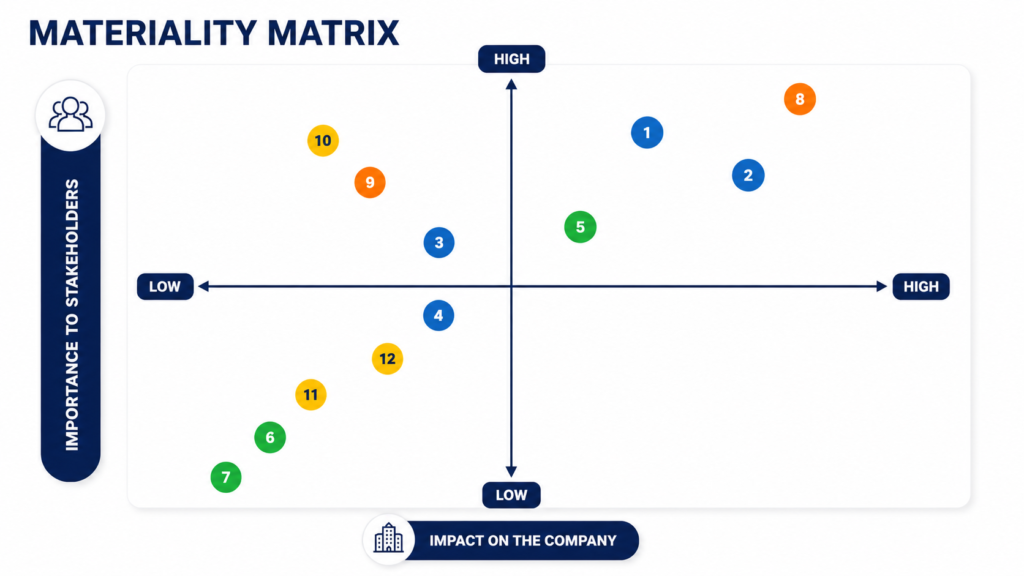
Economic
- Access to Products and Services
- Customer Satisfaction
- Product and Service Innovation
- Sustainable Supply Chain
Environmental
- Resource Efficiency
- Pollution Prevention and Management
- Climate Action
Social
- Employee Care and Development
- Occupational Health and Safety
Governance
- Fair Business Practices
- Data Privacy and Protection
- Anti-Corruption